
Understanding Asthma
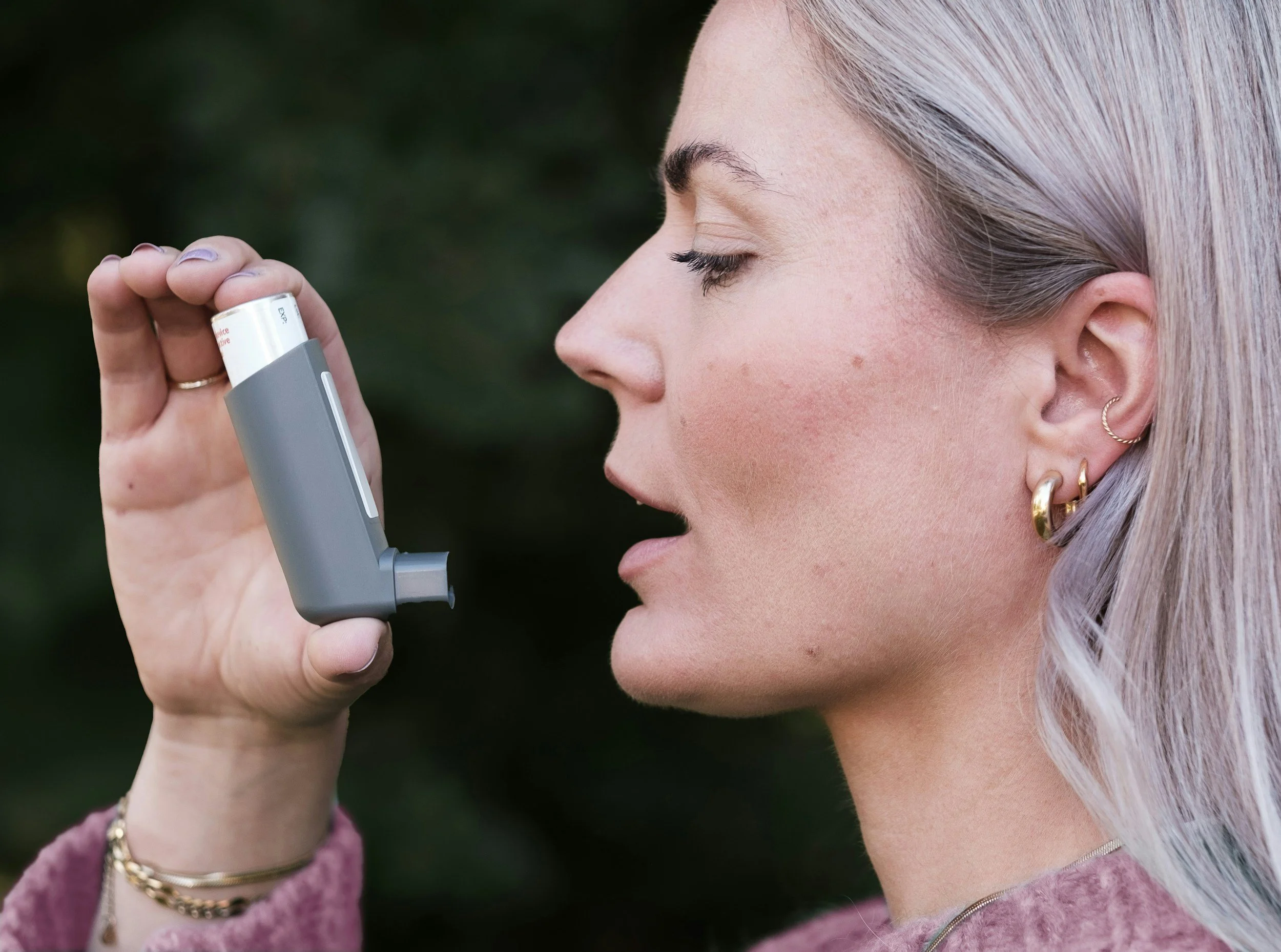
Asthma is one of the most common long-term respiratory conditions, affecting people of all ages. Pharmacists often speak with patients who are managing asthma daily, as well as those who only experience symptoms occasionally. While asthma can’t be cured, it can usually be very well controlled with the right medications, good inhaler technique, and a bit of planning. Here are some key pieces of advice pharmacists often share with asthma patients to help them breathe easier and stay well.
Understand Your Asthma and Your Triggers
Asthma occurs when the airways in the lungs become inflamed and narrow, making it harder to breathe. Symptoms may include wheezing, coughing, chest tightness, and shortness of breath. These symptoms often worsen when the airways react to triggers.
Common asthma triggers include respiratory infections, cold air, exercise, pollen, dust mites, smoke, and air pollution. For some people, strong fragrances or certain workplace exposures can also trigger symptoms.
One of the most helpful things asthma patients can do is identify their personal triggers. If you know what tends to set off your symptoms, you can take steps to avoid or reduce exposure. For example, using dust mite covers on bedding, avoiding smoke, or wearing a scarf over your mouth in cold weather can make a real difference.
Know the Difference Between Relievers and Preventers
Many people with asthma use two different types of inhalers: relievers and preventers.
Reliever inhalers provide quick relief by relaxing the muscles around the airways. They are used when symptoms occur and can rapidly improve breathing. However, relievers treat the symptoms rather than the underlying inflammation.
Preventer inhalers work differently. They contain anti-inflammatory medication that reduces swelling in the airways over time. These inhalers are designed to be used regularly, usually every day, even when you feel well.
A common mistake is patients relying too heavily on their reliever inhaler. If you find yourself needing your reliever more than a few times a week, it may indicate that your asthma is not well controlled and your preventer treatment may need adjustment.
Perfect Your Inhaler Technique
You might be surprised how often inhalers are used incorrectly. Studies suggest that many patients do not get the full benefit of their medication simply because the inhaler technique isn’t quite right.
Using the correct technique ensures that the medication reaches the lungs rather than remaining in the mouth or throat. Depending on the type of inhaler, the steps can vary slightly, but generally involve breathing out fully, sealing your lips around the inhaler, activating the device while inhaling slowly and deeply, and holding your breath briefly afterward.
If you are unsure about your technique, ask your pharmacist to check it. This is something we are always happy to help with, and a quick demonstration can dramatically improve how well your medication works.
Always Carry Your Reliever Inhaler
Even if your asthma is well controlled, it is important to keep your reliever inhaler accessible at all times. Asthma symptoms can sometimes appear unexpectedly, particularly during exercise, illness, or exposure to triggers.
Keeping an inhaler in your bag, car, or school/workplace ensures that help is close by if symptoms occur. It is also worth checking the expiry date periodically and making sure the inhaler still contains medication.
Have an Asthma Action Plan
An asthma action plan is a simple written guide developed with your doctor or healthcare professional. It outlines your regular medications, how to recognise worsening symptoms, and what steps to take if your asthma flares up.
Having a clear plan helps patients respond quickly and confidently if symptoms worsen. It may include instructions on increasing medication temporarily or when to seek medical care.
Many pharmacies encourage patients to keep a copy of their asthma action plan with their medications or stored on their phone for easy access.
Monitor Your Symptoms
Good asthma control means minimal symptoms, good sleep, and the ability to exercise without difficulty. If you notice increased coughing at night, wheezing during activity, or needing your reliever inhaler more frequently, it may signal that your asthma control is slipping.
Regular reviews with your doctor or asthma nurse can help ensure your treatment remains appropriate. Pharmacists can also help identify patterns if you are purchasing reliever inhalers more often than expected.
Look After Your Lungs During Cold and Flu Season
Respiratory infections are one of the most common causes of asthma flare-ups. During winter, it is especially important for asthma patients to protect their lung health.
Annual influenza vaccination is strongly recommended for most people with asthma, as the flu can significantly worsen respiratory symptoms. Good hygiene practices such as regular hand washing and avoiding close contact with people who are ill can also help reduce the risk of infection.
If you develop a respiratory infection and your asthma symptoms worsen, seek advice early rather than waiting for symptoms to become severe.
Your Pharmacist Is Here to Help
Pharmacists are often the most accessible healthcare professionals for asthma advice. Whether it is checking inhaler technique, discussing medication options, reviewing symptom control, or helping you understand your asthma action plan, we are here to support you.
Managing asthma successfully is a partnership between patients and healthcare professionals. With the right medications, proper inhaler technique, and good awareness of triggers, most people with asthma can live active and healthy lives.
If you have any questions about your asthma medications or symptoms, don’t hesitate to speak with your pharmacist. A quick conversation at the pharmacy counter can sometimes make a big difference to how well your asthma is controlled.